With your cooperation, we can keep this land a public community resource.
Exploring the Meadow - Guidelines, Risks, and FAQs
All activity in the meadow is at your own risk. Visitors accept full responsibility for any negative outcomes, injury, or loss. Kennebec Riverview, LLC (dba Meadow Conservancy) can not be held liable. Proceed at your own risk.
-
All are welcome to visit and explore the meadow from sunrise to sundown while adhering to all safety precautions. Please close the gate when you leave.
-
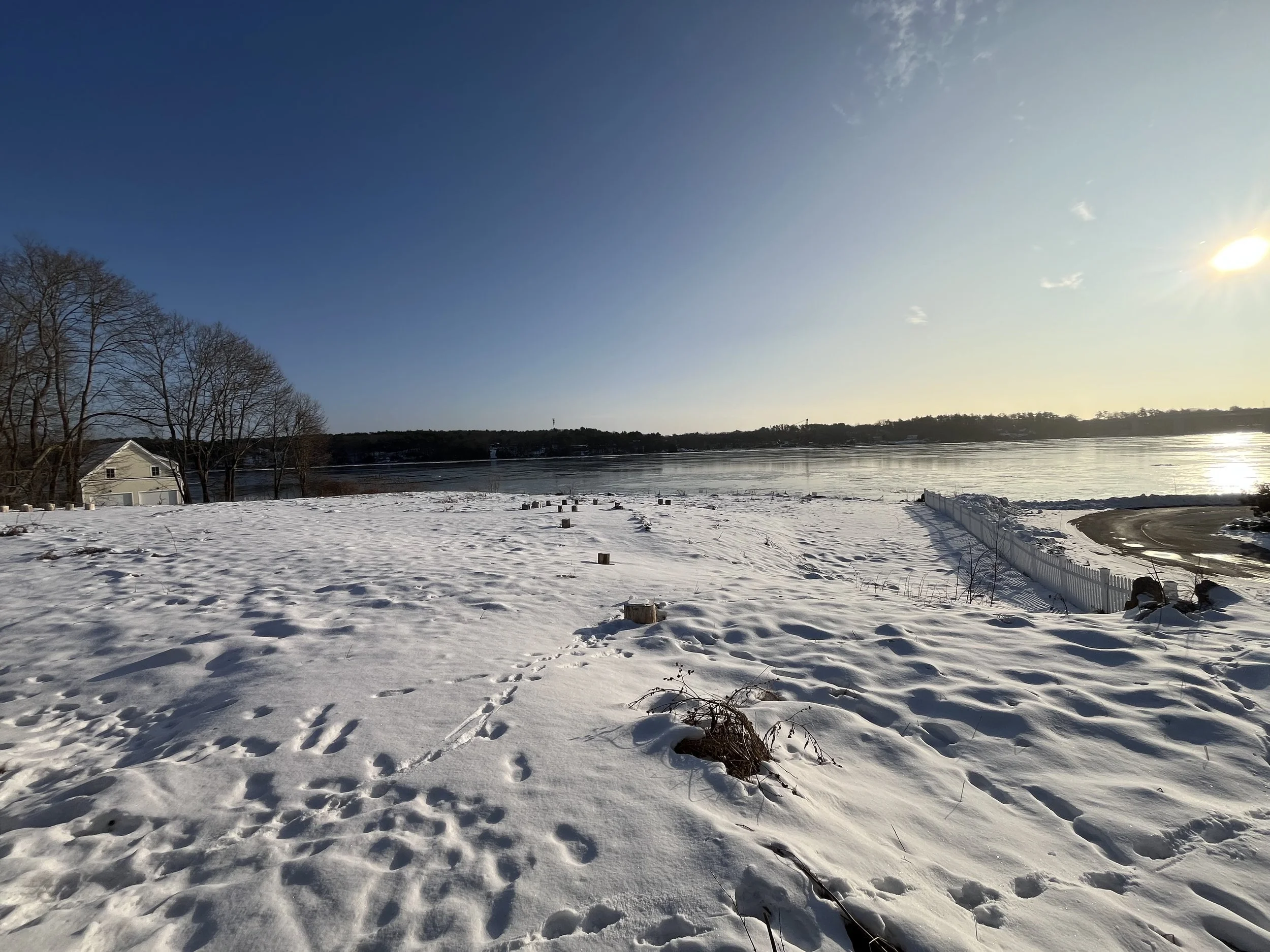
The Meadow is a work in progress. Be aware that the shoreline is NOT safe to explore. For safety, please keep children, pets, and yourself on the path and follow the signs. - The final stage of construction will be the shore stabilization and meadow grading. This is a substantial goal because of the machinery and specialized work that will need to be done. Stringent regulations for the safety of the public and the ecology of the river are paramount to ensure a successful future for the meadow. - Shoreline stabilization is one of our future projects, but it will cost in the millions of dollars, so it is not planned immediately.
-
Located within walking distance of Bath’s bustling downtown, it is an easy, approx. 1-mile walk from Waterfront Park and the city center, with shopping and eateries.
-
This shoreline has evolved over thousands of years, shaped by ice and human use alike. The area now known as Bath, Maine, is part of the ancestral, unceded territory of the Wabanaki (“People of the Dawnland”), specifically the Abenaki and surrounding tribes who inhabited the Kennebec River region for over 13,000 years. While no major permanent villages were found directly in modern Bath, the area was a vital, heavily traveled, and highly productive fishing/hunting territory. - During 1700’s, the land was used as a shipyard, a gasification plant, a coal pocket, and eventually a contaminated brownfield. (Resources: Wabanaki REACH; Bath's Historic Downtown, in partnership with the Maine Memory Network)
-
This rare piece of land is being restored from a former contaminated site into an ecologically rich urban sanctuary. It will provide accessible paths, places to sit and gather, and open views of the Kennebec River, offering nature nearby in a densely developed area. Through conservation, education, and community engagement, the Meadow Conservancy aims to create a thriving natural oasis for our community.
-
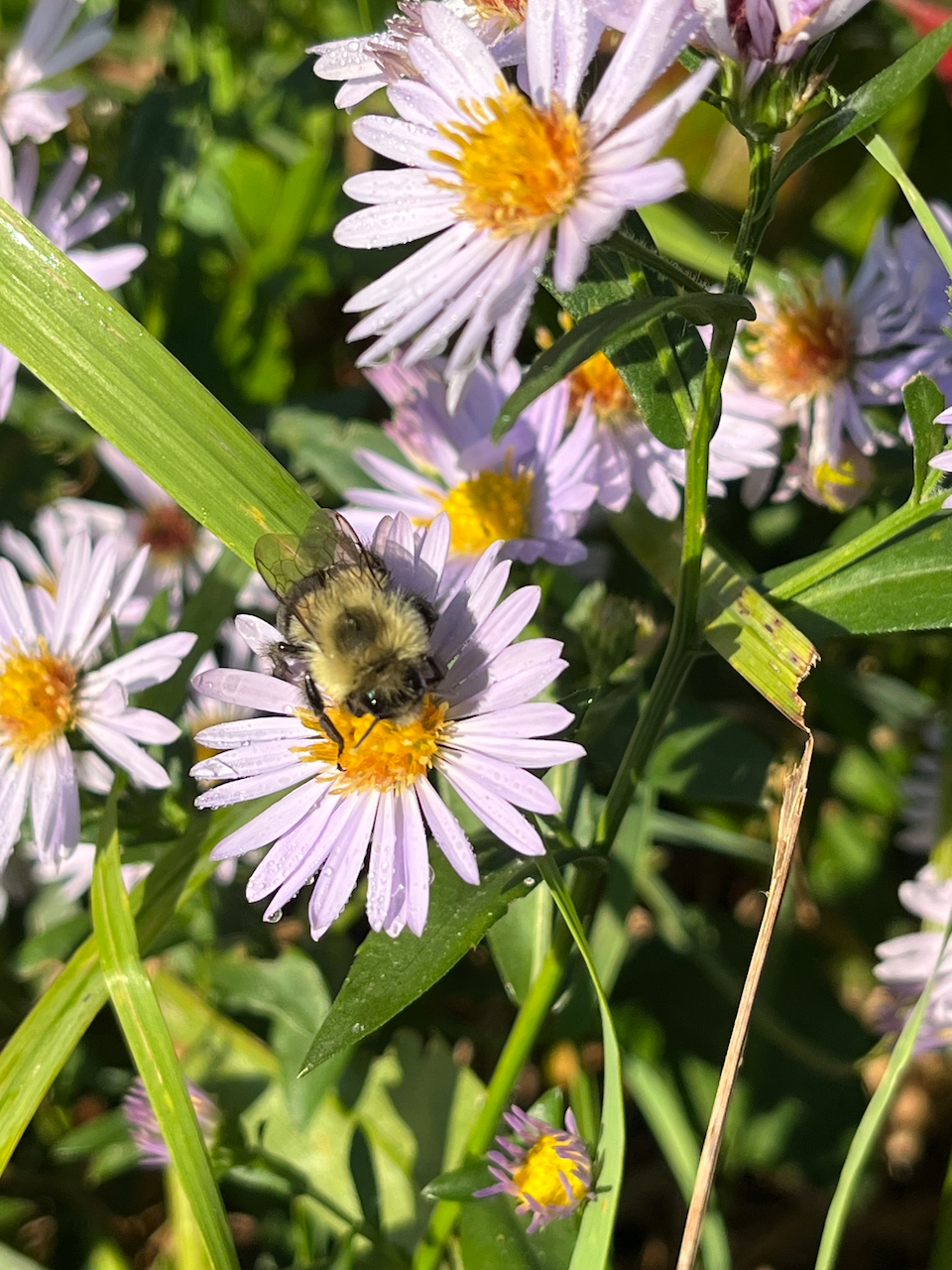
One acre can create a significant, high-impact habitat for pollinators, providing crucial foraging, nesting, and shelter sites that support biodiversity and local agriculture. By establishing native wildflower meadows, flowering hedgerows, or habitat corridors, an acre can sustain diverse bee, butterfly, and beneficial insect populations throughout the spring, summer, and fall. (Resources: EarthDay.org, NRCS.USDA.gov (Natural Resources Conservation Service))